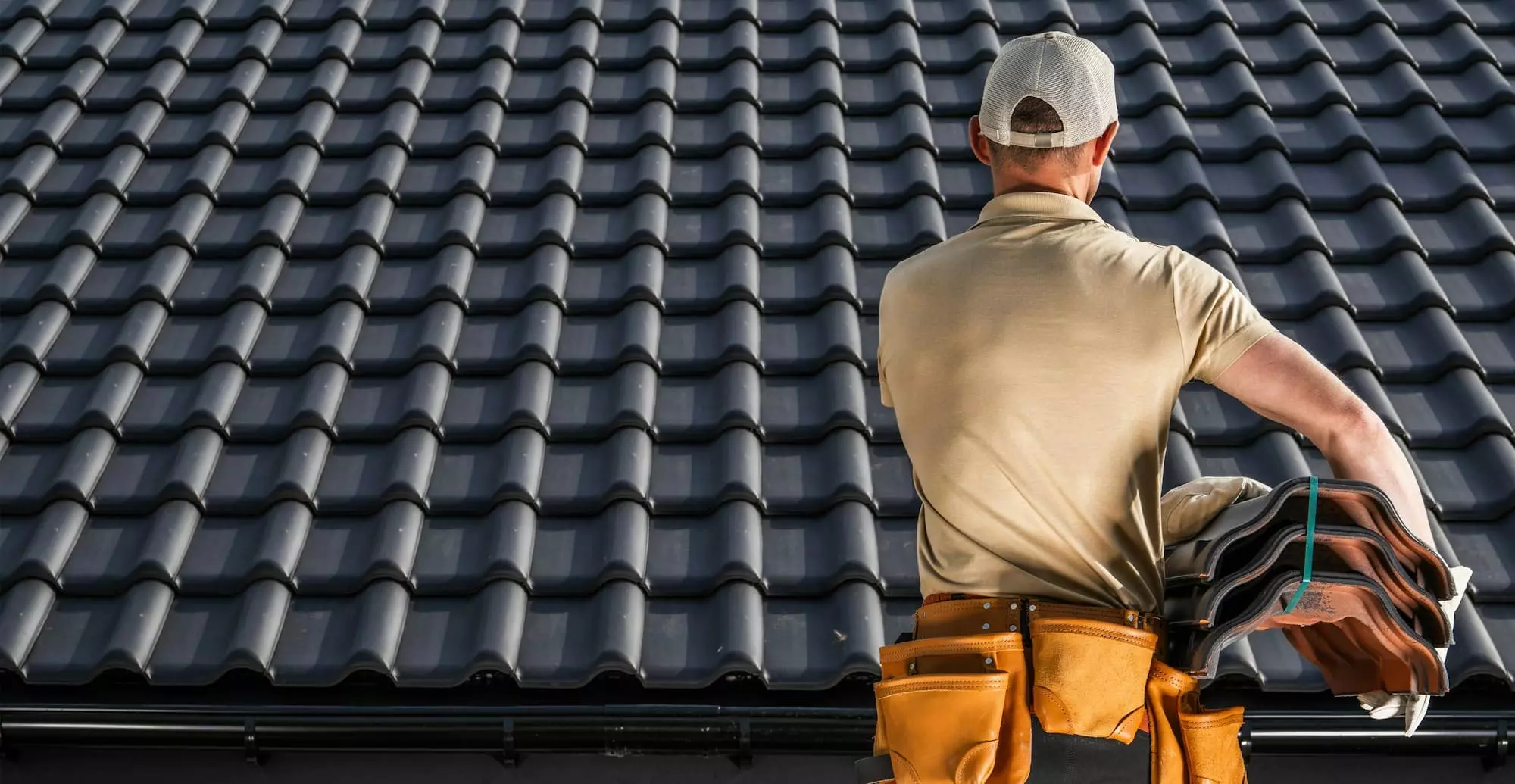
An energy-efficient roof not only protects your home from the elements but also reduces your energy bills and minimizes environmental impact. Modern roofing materials and technologies provide excellent insulation, reflect sunlight, and maintain indoor comfort, helping homeowners save money in the long run. This guide will explain what energy-efficient roofing is, the benefits it offers, and how to choose the right materials for your home.
What Is Energy-Efficient Roofing?
Energy-efficient roofing is designed to reduce heat absorption, improve insulation, and lower energy consumption. These roofs help maintain a stable indoor temperature, reducing the need for excessive heating or cooling.
Key features include:
Reflective materials that bounce sunlight away from the roof surface
Proper insulation that prevents heat transfer into the home
Ventilation systems that allow airflow and reduce heat buildup
Durable, long-lasting materials that minimize maintenance and replacement costs
Energy-efficient roofing combines material technology and installation techniques to maximize savings and protect your home.
Benefits of Energy-Efficient Roofing
Lower Energy Bills
Reflective and well-insulated roofs reduce the amount of heat entering your home during summer and retain warmth in winter. This reduces the load on air conditioning and heating systems, lowering energy bills.
Improved Indoor Comfort
A properly insulated and ventilated roof helps maintain consistent indoor temperatures, preventing hot or cold spots in your home.
Extended Roof Lifespan
Energy-efficient roofing materials often resist weather damage, UV rays, and thermal expansion, extending the life of your roof and reducing maintenance needs.
Environmental Benefits
Reducing energy consumption decreases your carbon footprint. Some materials, like metal or recycled shingles, are sustainable and recyclable, contributing to a greener home.
Increased Property Value
Energy-efficient homes are attractive to buyers. Upgrading to an energy-efficient roof can improve your home’s market value and appeal.
Types of Energy-Efficient Roofing Materials
Several materials and technologies enhance a roof’s energy efficiency:
Asphalt Shingles with Reflective Coating:
Designed to reflect more sunlight than standard shingles
Reduces heat absorption, keeping the home cooler
Cost-effective and widely available
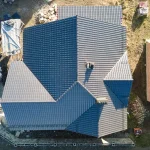
Metal Roofing:
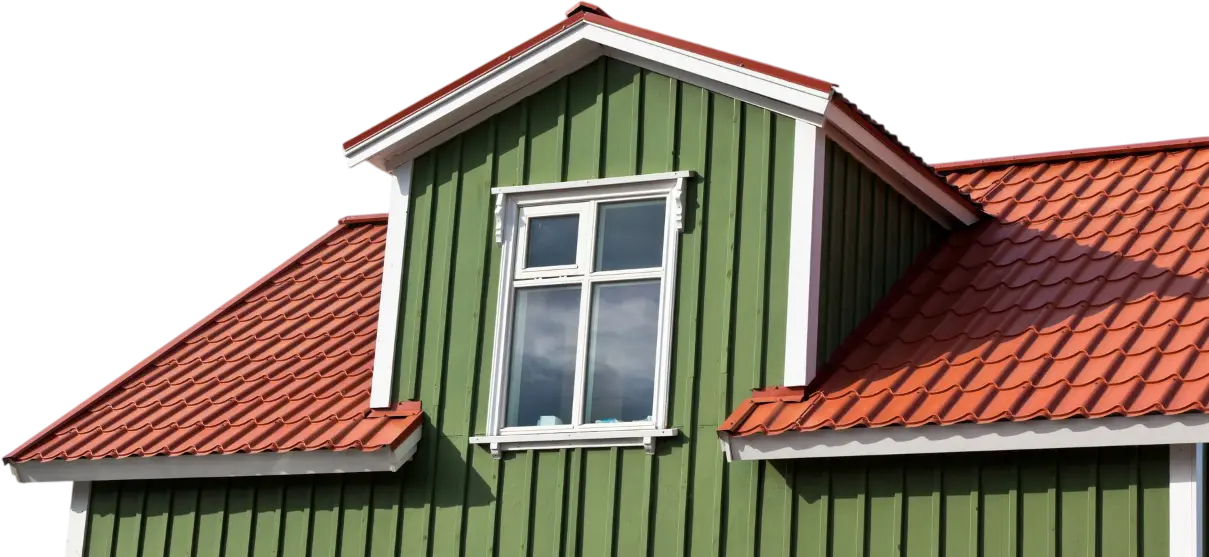
Reflects sunlight and often comes with reflective coatings
Highly durable and resistant to weather damage
Can last 40–70 years with minimal maintenance
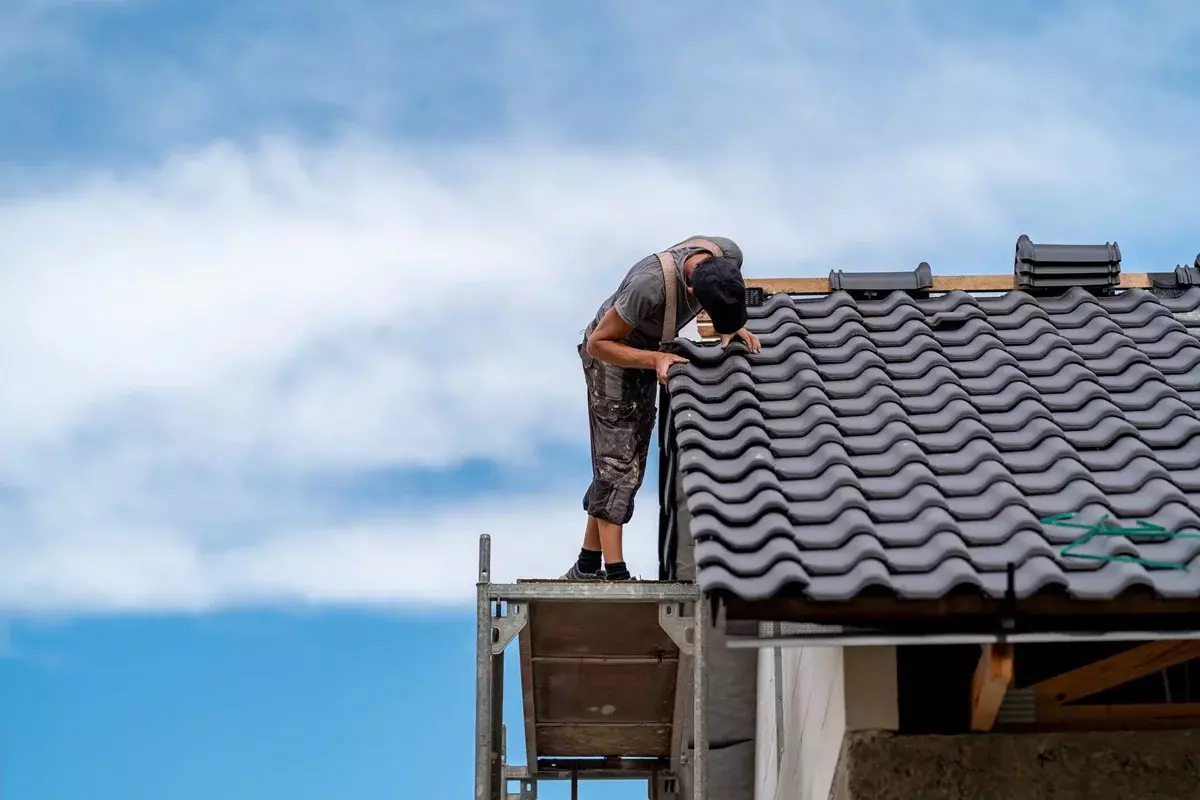
Tile Roofing:
Clay or concrete tiles provide natural insulation
Reflective surfaces reduce heat absorption
Long-lasting and aesthetically appealing
Cool Roof Coatings:
Applied over existing roofs to improve reflectivity
Helps reduce heat transfer and energy consumption
Can be used on asphalt, metal, or flat roofs
Green Roofs:
Vegetation installed over a waterproof membrane
Provides insulation, reduces heat absorption, and absorbs rainwater
Offers environmental benefits and improved air quality
Roof Ventilation and Insulation
Energy-efficient roofing is not only about materials but also about proper ventilation and insulation.
Ventilation:
Allows airflow under the roof to reduce heat buildup
Prevents moisture accumulation that can damage roofing materials
Common solutions include ridge vents, soffit vents, and gable vents
Insulation:
Minimizes heat transfer between the roof and interior spaces
Proper insulation reduces energy usage and keeps indoor temperatures stable
Options include spray foam, fiberglass batts, and rigid insulation boards
Combining good ventilation with high-quality insulation enhances overall energy efficiency.
Tips for Choosing an Energy-Efficient Roof
Consider Climate:
In hot climates, focus on reflective materials and cool roofs
In cold climates, prioritize insulation and materials that retain heat
Check Material Longevity:
Choose durable materials that require minimal maintenance
Longer-lasting roofs reduce replacement frequency and costs
Evaluate Installation Quality:
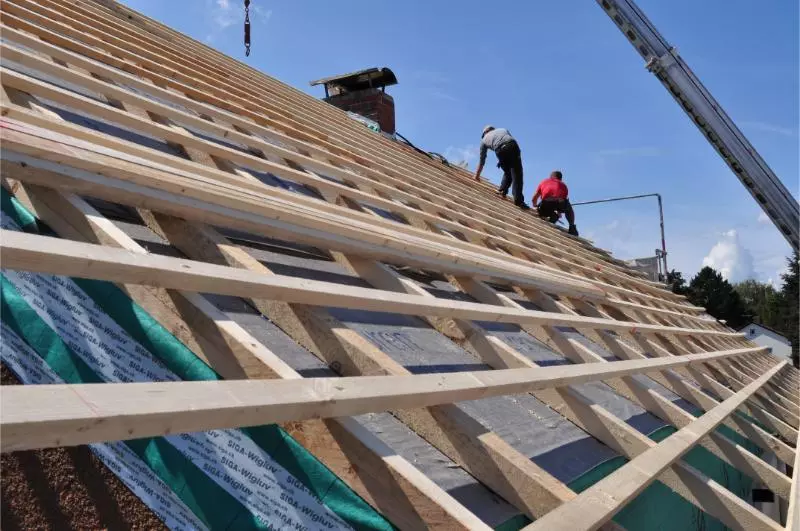
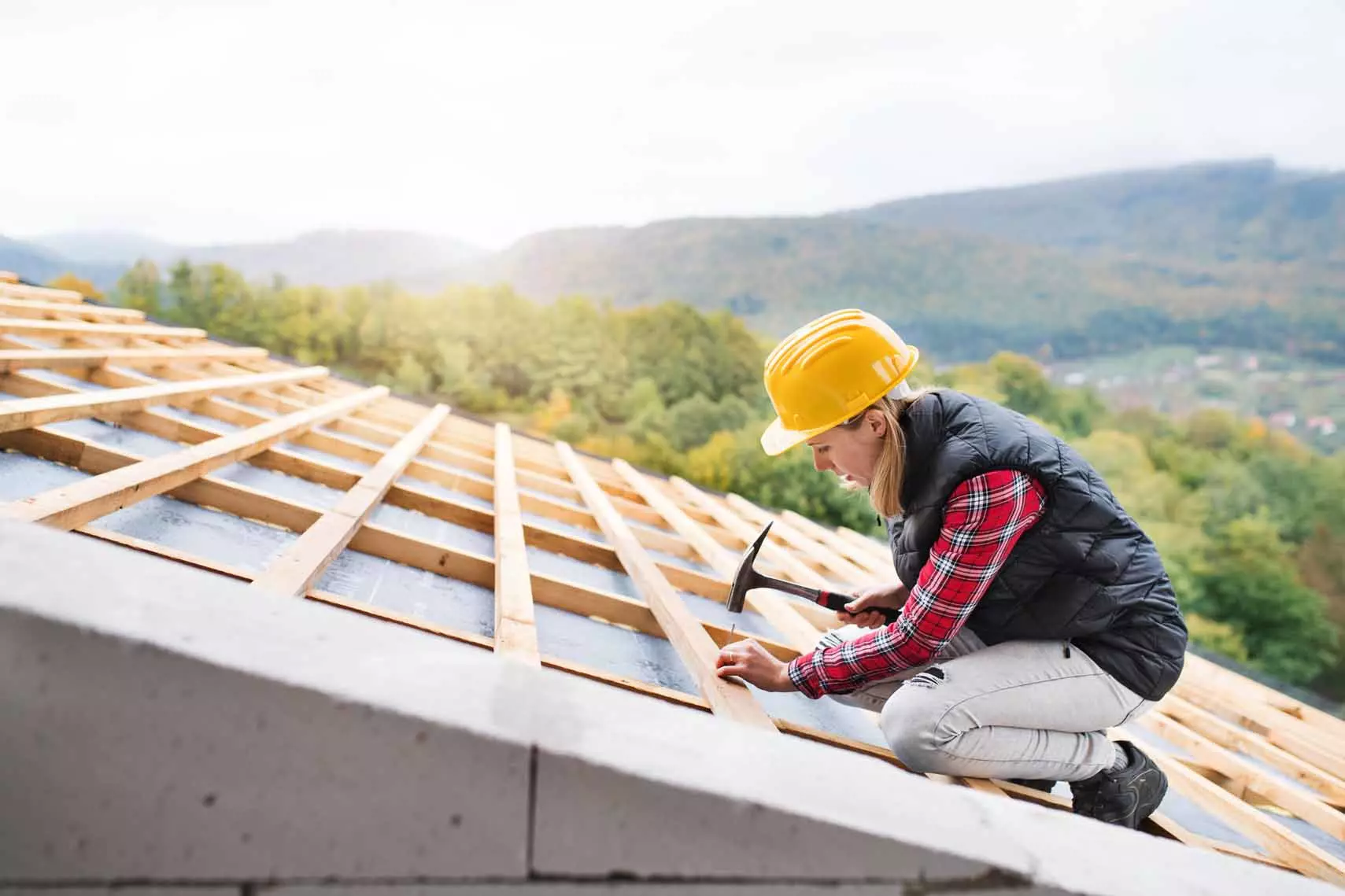
Proper installation is critical for maximizing energy efficiency
Ensure flashing, ventilation, and insulation are correctly installed
Look for Certifications:
ENERGY STAR® certified roofs meet strict energy efficiency standards
Certification ensures the material and installation provide measurable savings
Balance Cost and Savings:
Consider both upfront costs and long-term energy savings
High-quality materials may have higher initial costs but save money over time
Maintenance for Energy-Efficient Roofs
Even energy-efficient roofs require proper maintenance:
Inspect for damaged or missing shingles or tiles
Clean debris from gutters and roof surfaces
Check insulation and ventilation for effectiveness
Treat moss, algae, or mold growth promptly
Regular maintenance ensures your energy-efficient roof continues to save money and protect your home.
Additional Energy-Saving Strategies
In addition to roofing materials, you can implement strategies to further improve energy efficiency:
Install attic fans to improve airflow
Use reflective attic insulation
Seal attic gaps to prevent air leaks
Plant shade trees near the home to reduce solar heat
These measures complement an energy-efficient roof and reduce overall energy consumption.
Conclusion
Energy-efficient roofing offers numerous benefits, including lower energy bills, improved indoor comfort, extended roof lifespan, environmental advantages, and increased property value. By choosing reflective, insulated, and properly ventilated materials, homeowners can protect their homes while saving money and reducing their carbon footprint.
Whether you select asphalt shingles, metal, tile, cool coatings, or green roofs, professional installation and regular maintenance are essential for maximizing energy efficiency. Investing in an energy-efficient roof is a smart choice that ensures long-term protection, comfort, and sustainability for your home.