When faced with roofing problems, homeowners often struggle to decide between repairing their existing roof or replacing it entirely. Both options have advantages, costs, and implications for long-term durability. Making the right choice depends on the extent of damage, the age of your roof, and your budget. This guide will help you understand when roof repair or replacement is the best solution for your home.
Understanding Roof Repair
Roof repair involves fixing specific issues, such as leaks, damaged shingles, or flashing problems, without replacing the entire roof. Repairs are often quicker and less expensive than a full replacement.
Common roof repairs include:
Replacing missing or damaged shingles
Fixing leaks around flashing, chimneys, or vents
Repairing minor structural damage
Cleaning and treating moss or algae growth
Benefits of roof repair:
Lower immediate cost compared to replacement
Quick resolution for small issues
Extends the life of a roof that is otherwise in good condition
Repair is ideal when your roof is relatively new, has limited damage, or shows only minor wear and tear.
Understanding Roof Replacement
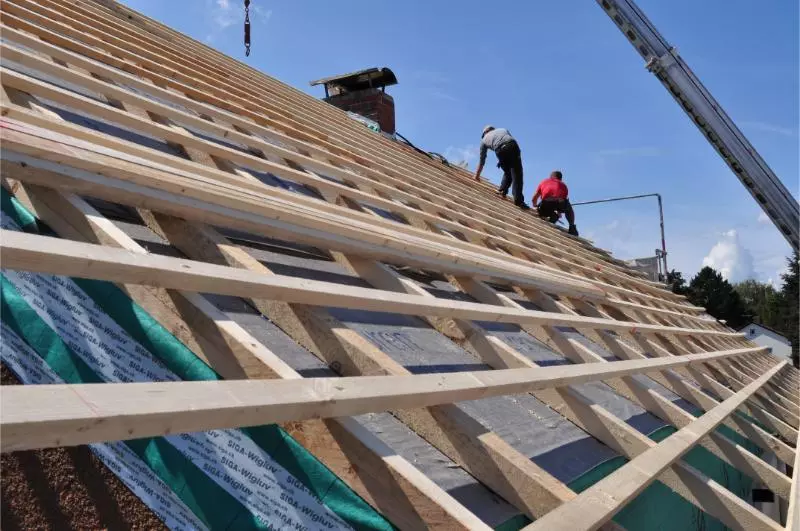
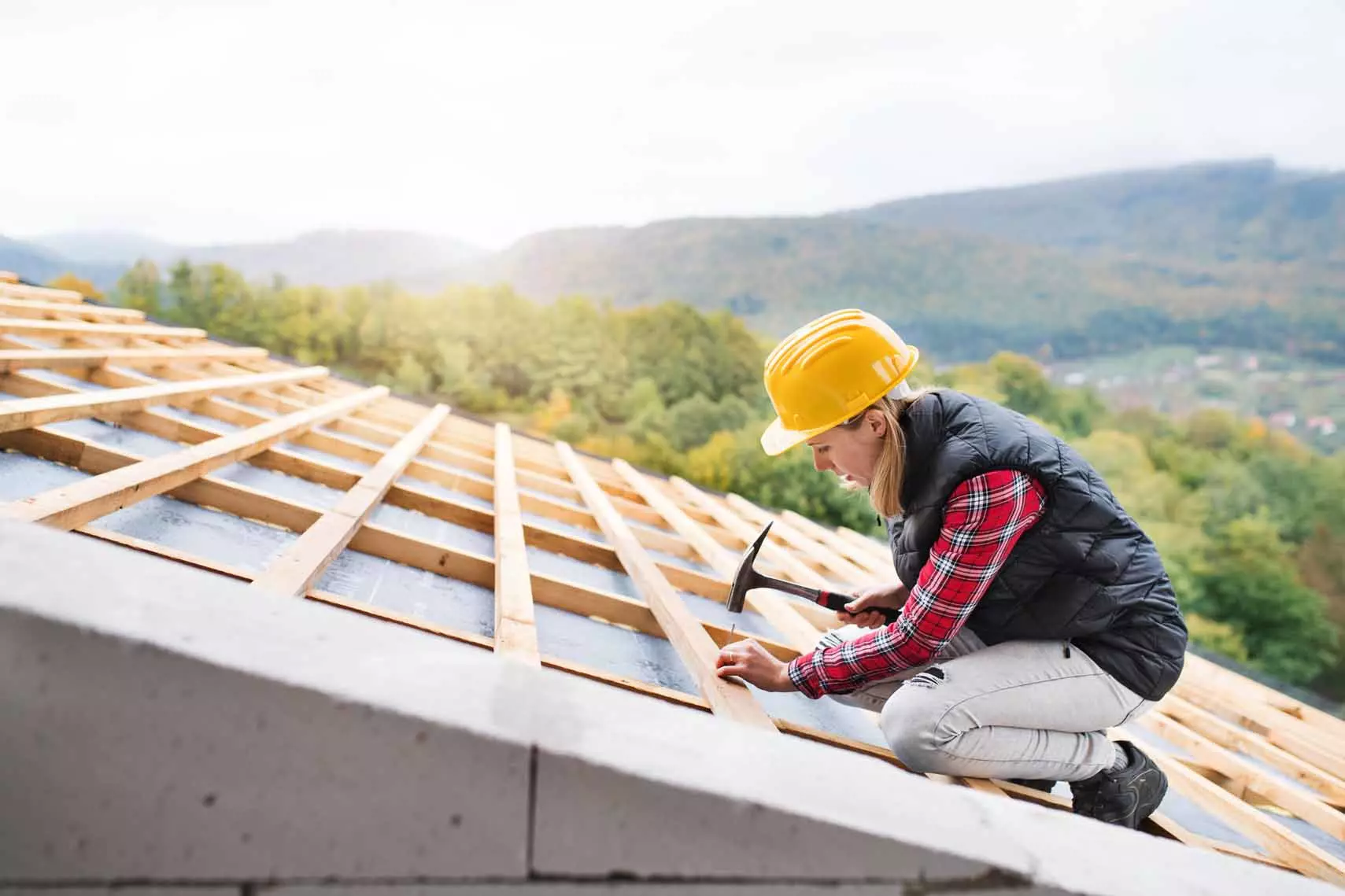
Roof replacement involves removing the existing roof and installing a new one. This is often necessary when the roof is old, extensively damaged, or nearing the end of its lifespan.
Reasons to consider replacement:
Age: Most asphalt shingle roofs last 20–30 years; other materials may last longer but still eventually require replacement.
Widespread damage: Extensive shingle loss, rot, or leaks may make repair impractical.
Structural issues: Sagging roof decks or weakened supports require full replacement.
Upgrading materials: Homeowners may choose a more durable or energy-efficient roofing material.
Benefits of roof replacement:
Long-term solution with fewer future repairs
Opportunity to upgrade materials and improve energy efficiency
Enhances curb appeal and property value
Ensures comprehensive protection against weather and leaks
Replacement is often the best choice when a roof has multiple problems or is approaching the end of its useful life.
Factors to Consider When Deciding
Several factors influence whether repair or replacement is the right option:
Age of the Roof:
Older roofs with many years of wear may be better suited for replacement rather than repeated repairs.
Extent of Damage:
Minor issues such as isolated leaks or a few missing shingles are usually repairable. Extensive damage across large areas often warrants replacement.
Cost Comparison:
Repairs may be less expensive initially, but repeated repairs can add up. Replacement offers a predictable long-term cost.
Material Type:
Some materials, like asphalt shingles, are easier and cheaper to repair. Tile, slate, or metal may require professional replacement even for minor issues.
Energy Efficiency:
Replacing a roof allows the installation of energy-efficient materials or additional insulation, reducing heating and cooling costs.
Signs Your Roof May Need Replacement
Even if damage seems minor, certain signs indicate a roof replacement may be necessary:
Curling, cracking, or missing shingles
Extensive granule loss from shingles
Sagging or uneven roof structure
Repeated leaks or water damage
Visible damage to flashing, gutters, or roof decking
Age exceeding the expected lifespan of the roofing material
Recognizing these signs early helps homeowners avoid emergency repairs and costly damage.
When Repair is the Best Choice
Roof repair is ideal when:
The damage is limited to a small area
The roof is relatively new and in good condition
The problem is isolated, such as a leak near a vent or chimney
Budget constraints make replacement impractical
In these cases, repairing the affected area can extend the roof’s life and maintain protection without the cost of full replacement.
Professional Assessment
A professional roofer can assess your roof’s condition and recommend the best approach. During an assessment, the roofer will:
Inspect shingles, flashing, gutters, and structural components
Identify leaks, water damage, and hidden issues
Evaluate the roof’s age and remaining lifespan
Provide a cost estimate for repair or replacement
Professional guidance ensures that you make an informed decision that protects your home and investment.
Benefits of Timely Action
Whether you choose repair or replacement, addressing roof issues promptly prevents further damage and reduces costs:
Prevents leaks from worsening and causing interior damage
Avoids structural damage from prolonged exposure to weather
Maintains home value and curb appeal
Extends the life of your roof and ensures long-term protection
Delaying roof maintenance can lead to emergency repairs and higher expenses in the long run.
Cost Considerations
Roof Repair Costs:
Minor repairs: $150–$500
Larger repairs or partial roof work: $500–$2,000
Roof Replacement Costs:
Asphalt shingles: $5,000–$10,000
Metal roofing: $10,000–$20,000
Tile or slate: $15,000–$50,000+
Cost varies based on materials, roof size, labor, and location. Comparing repair and replacement costs, including long-term expenses, helps homeowners make informed decisions.
Conclusion
Deciding between roof repair and roof replacement depends on factors such as age, damage extent, material type, and budget. Minor damage on a relatively new roof is often best addressed with repair, while older roofs with widespread issues or structural concerns typically require replacement.
Professional assessment and timely action are key to protecting your home, preventing costly repairs, and ensuring long-term durability. By evaluating your roof carefully and consulting experienced professionals, you can make the right choice to keep your home safe, comfortable, and well-protected for years to come.